Some cities grow; Jaipur was planned. When Maharaja Jai Singh II founded it in 1727, the city was laid out according to Vastu Shastra, the traditional Indian science of architecture, and divided into nine blocks. It is one of the earliest planned cities of modern India, and a fitting place to teach geometry.
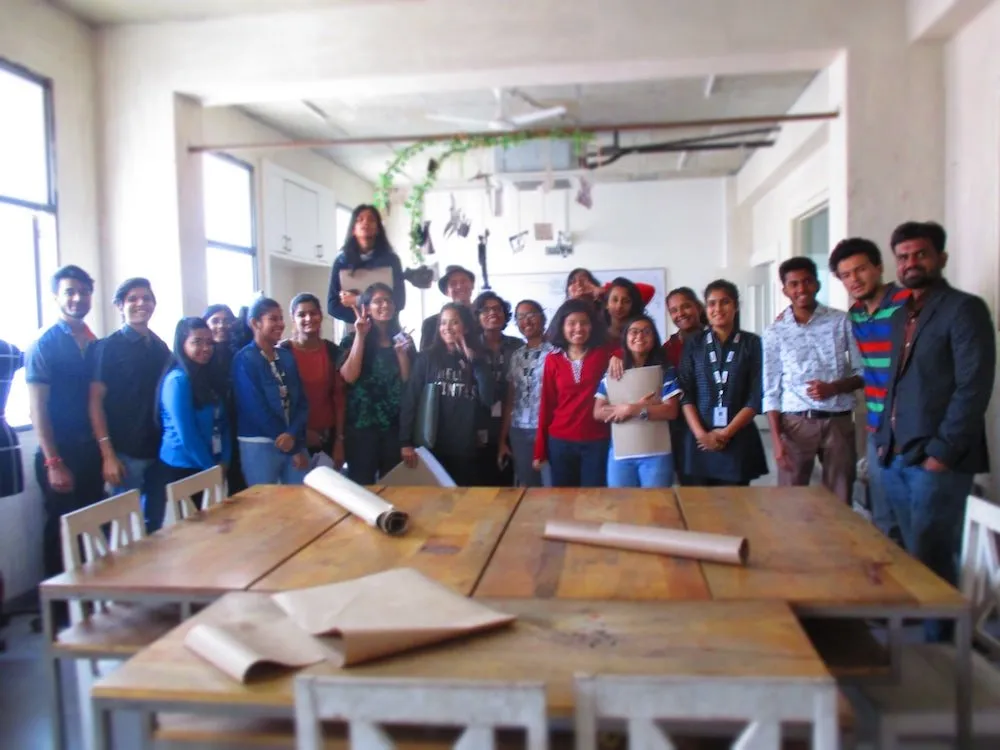
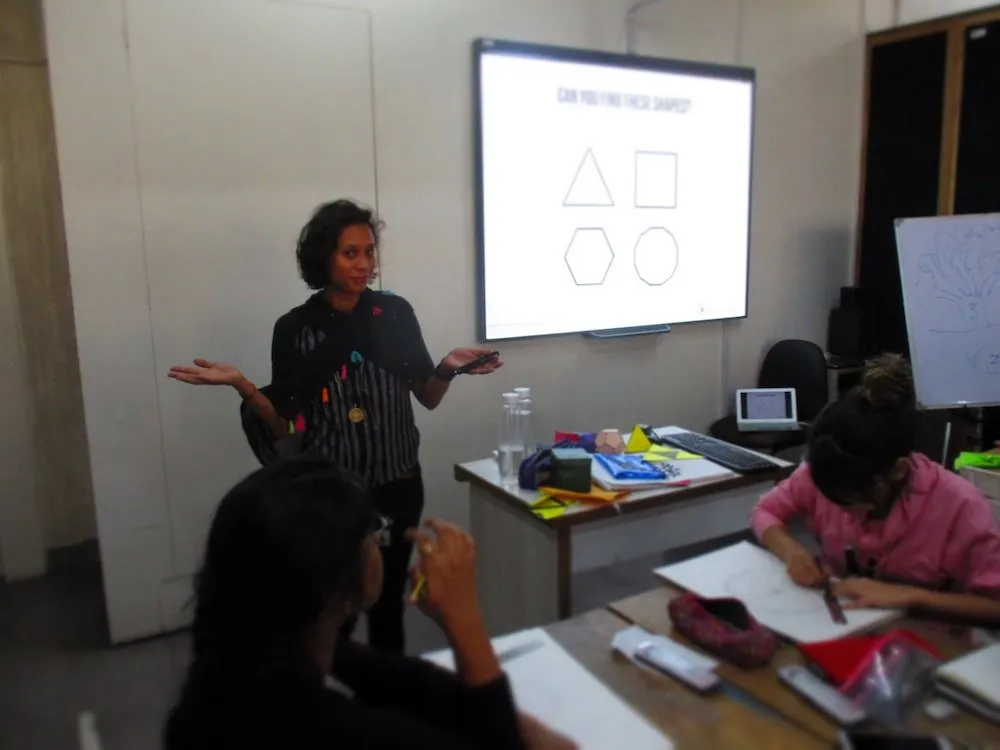
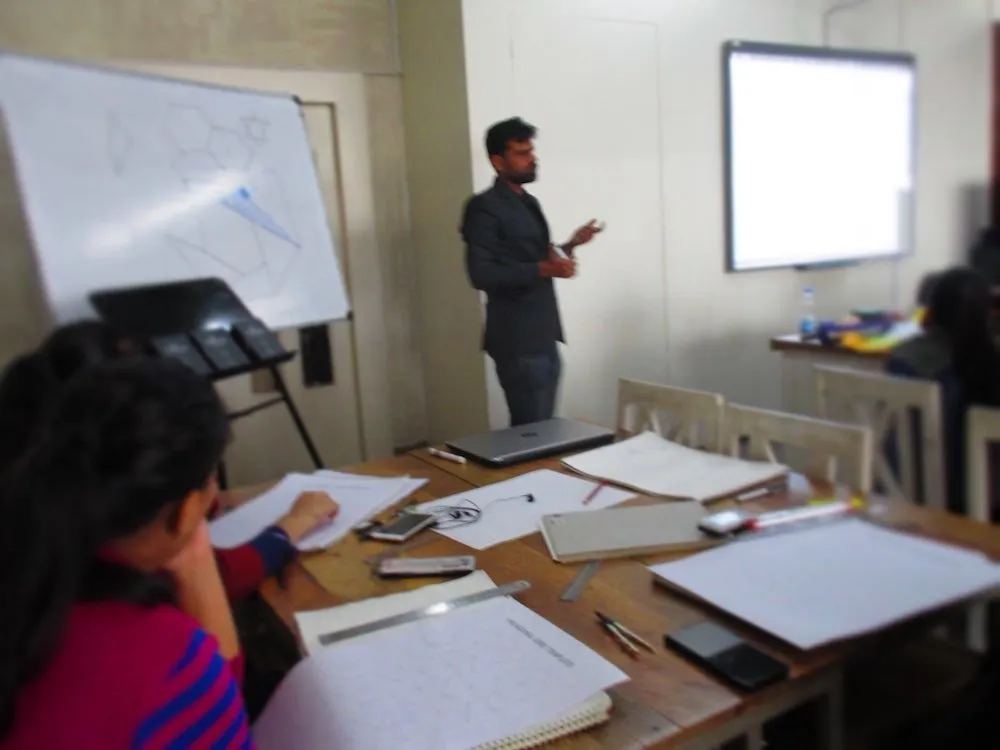
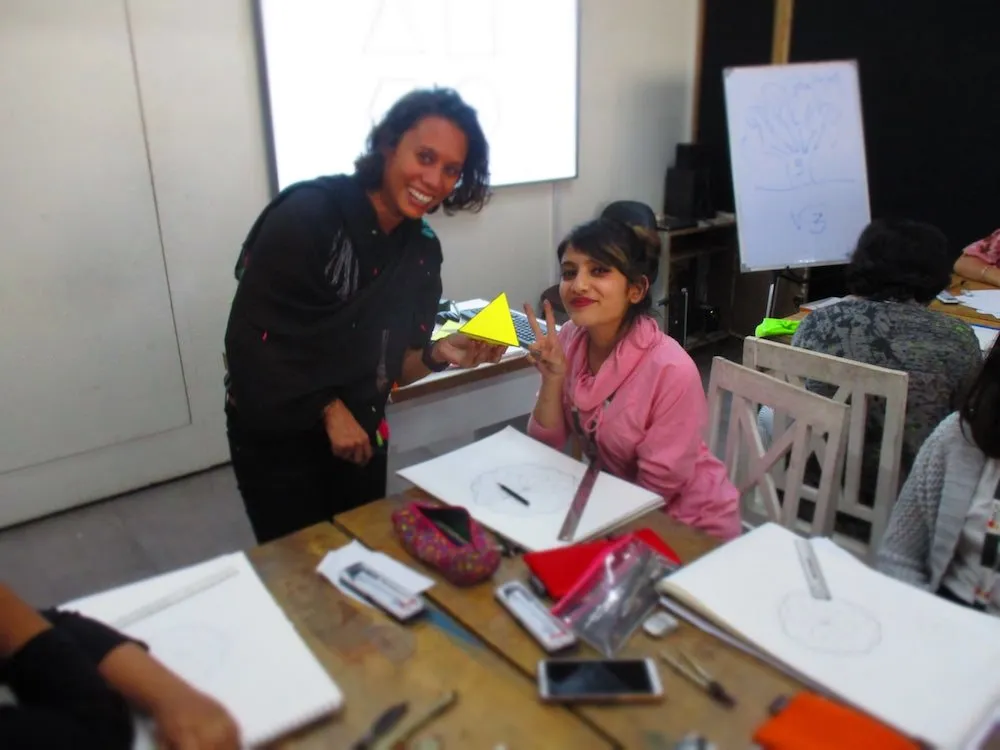
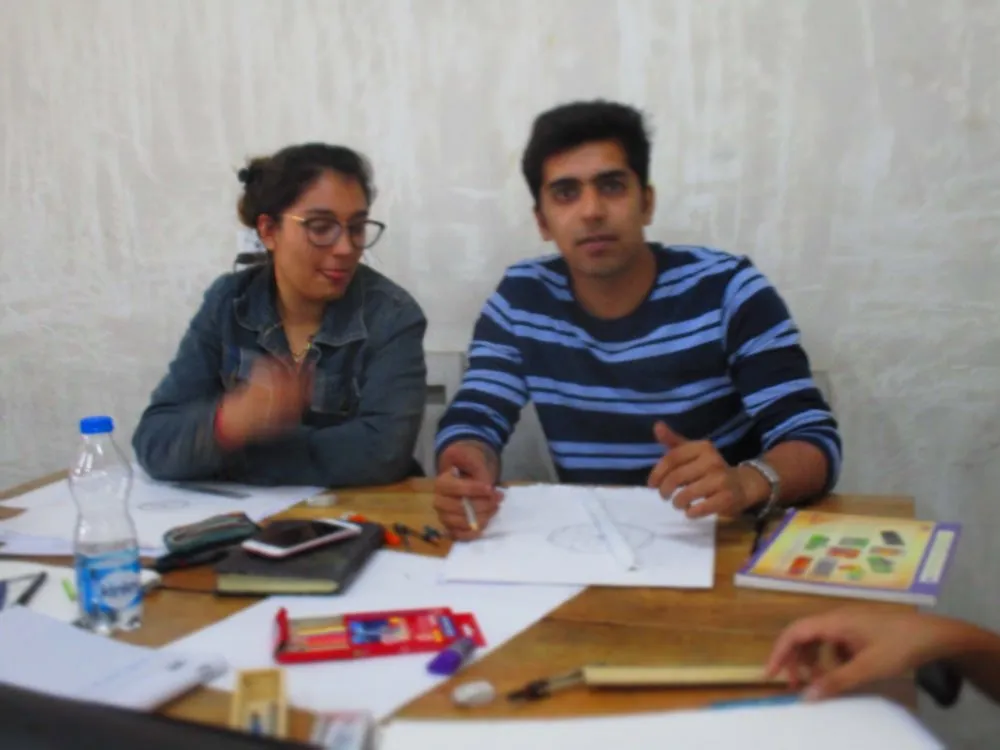
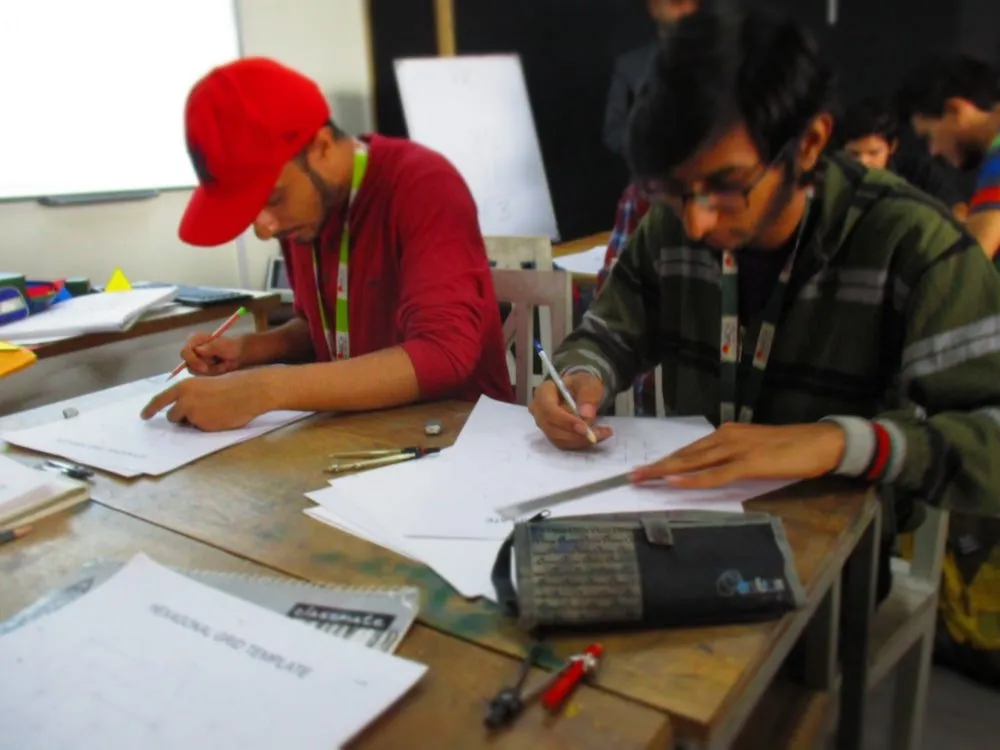
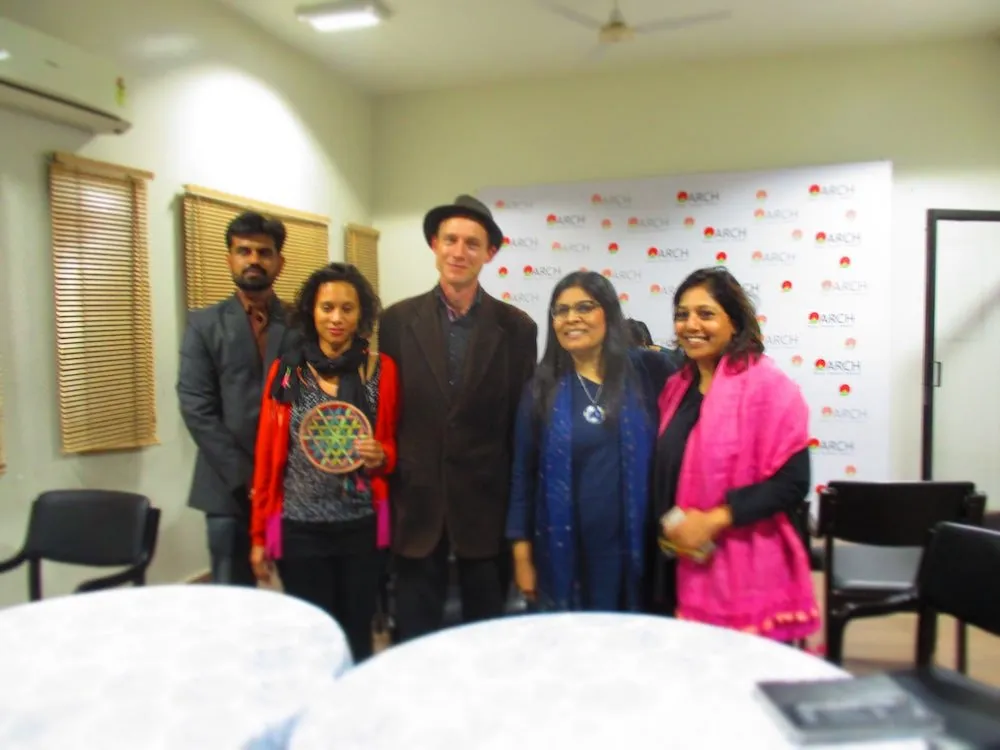
The invitation came through a wonderful partner, the mathematician Sunil Jakhar. He brought us to ARCH College of Design and Business, an innovative school where art, design and business meet. For three days, together with Colin Power, we taught about 40 art and design students.
Where geometry carries the sacred
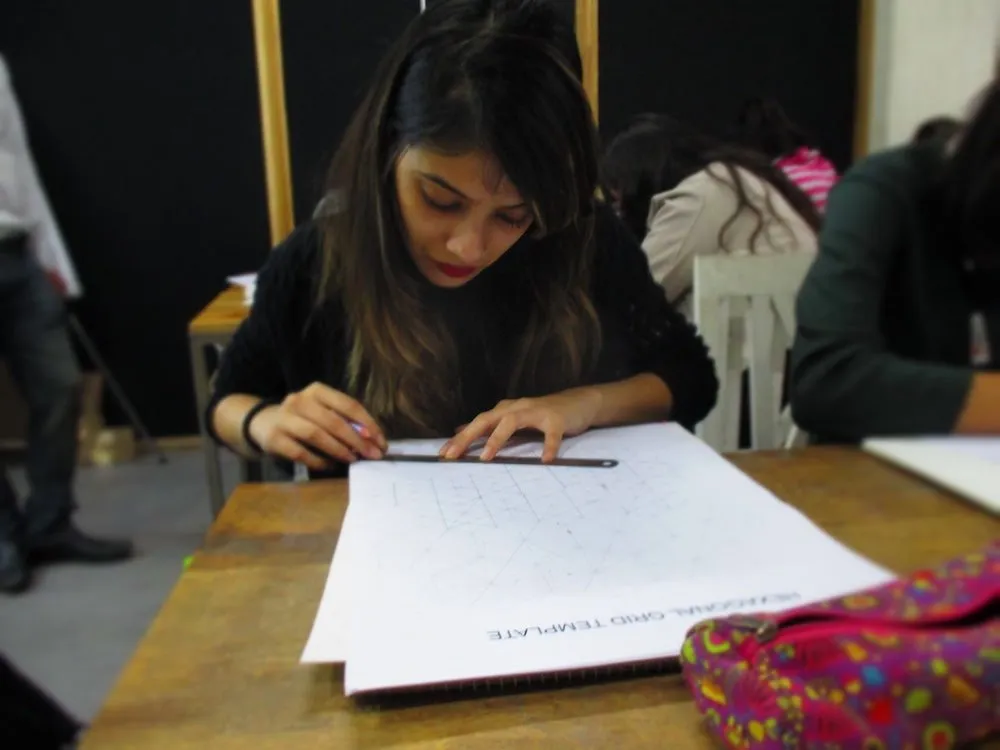
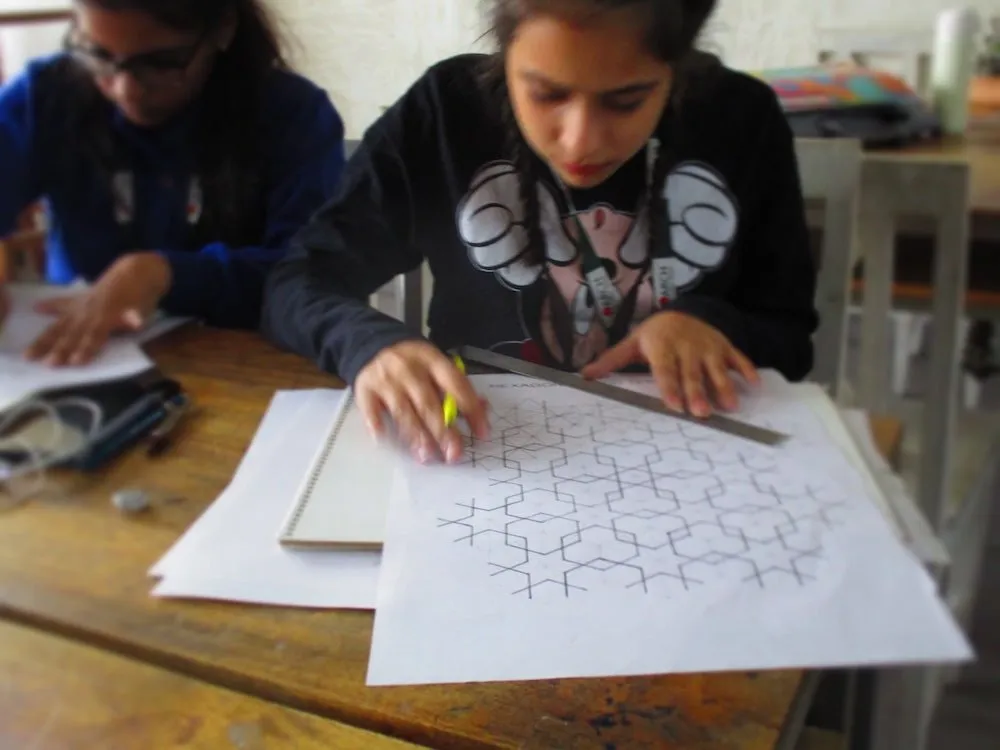
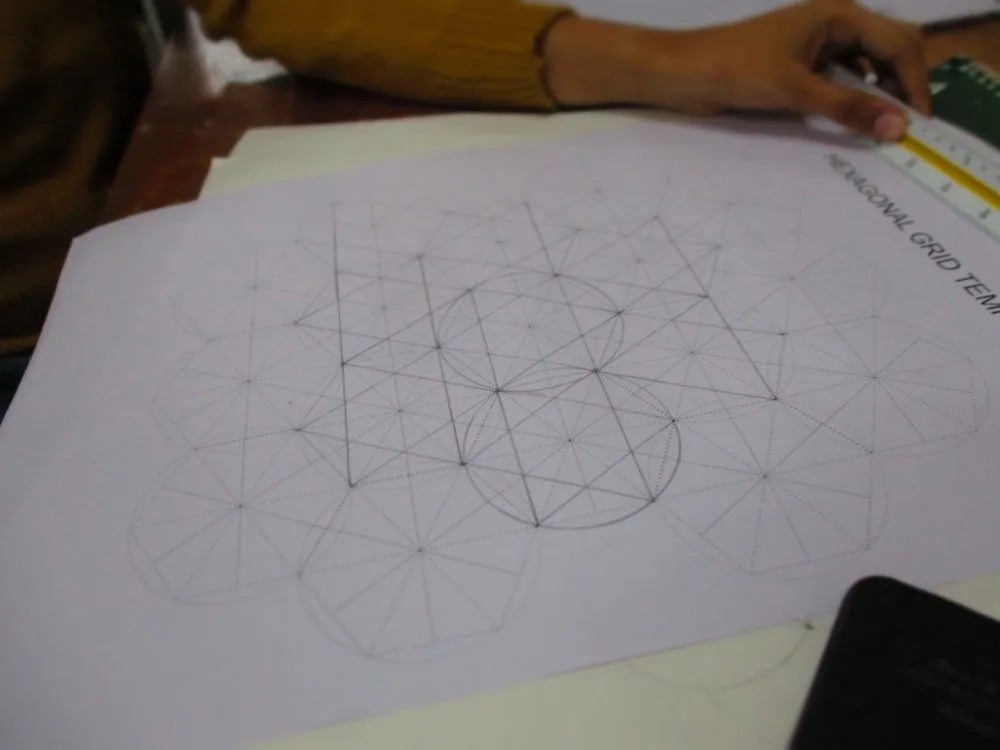
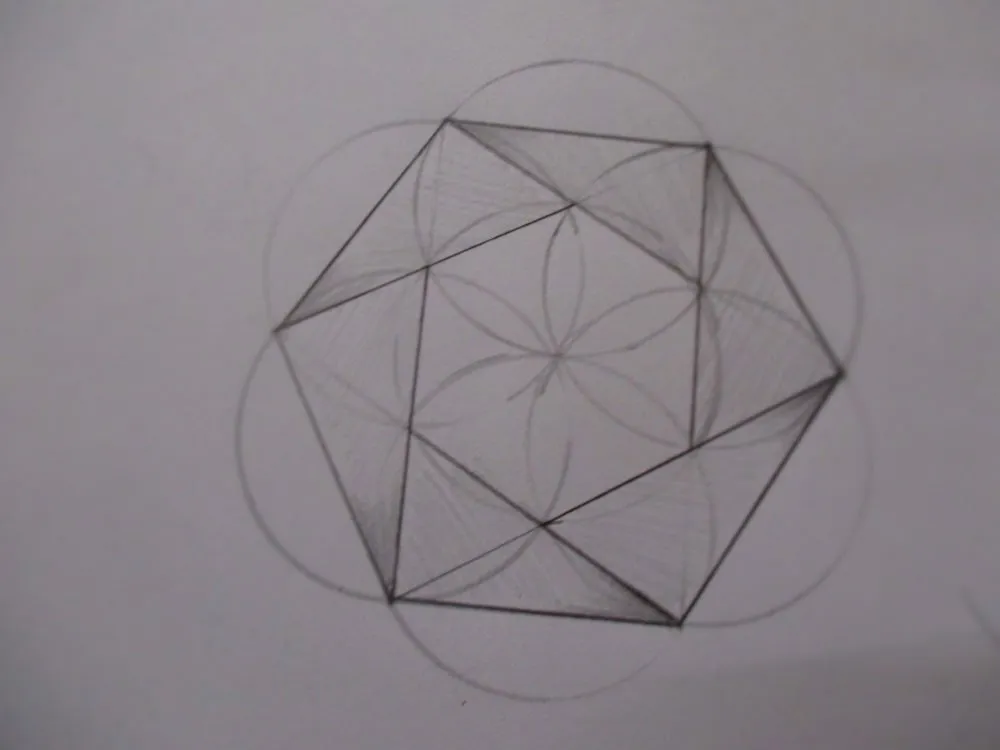
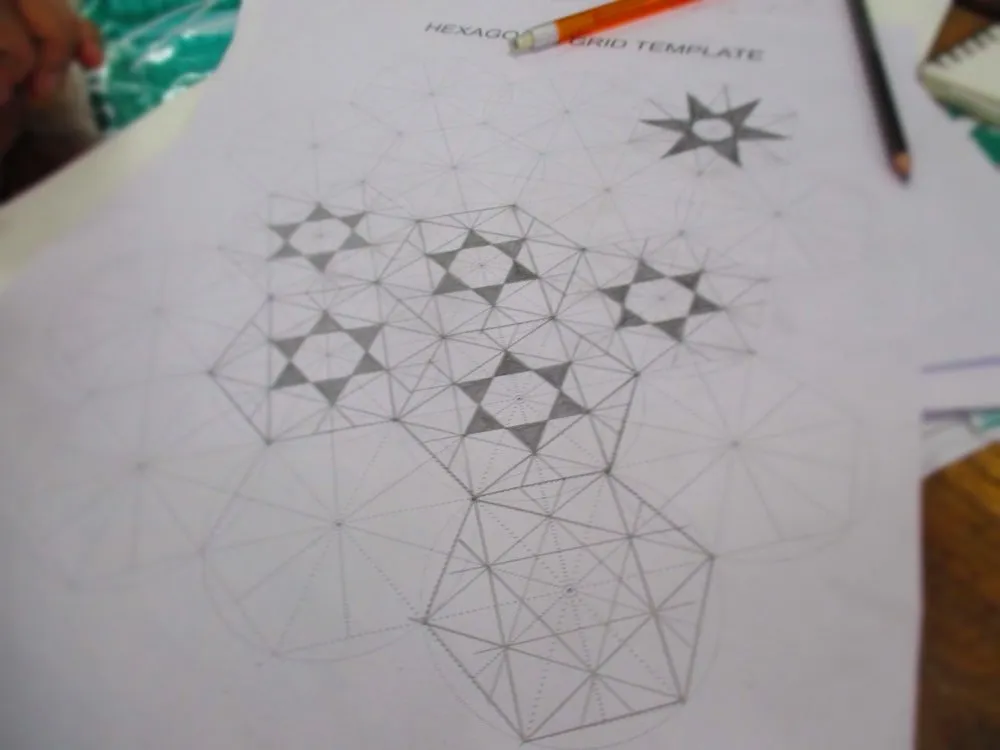
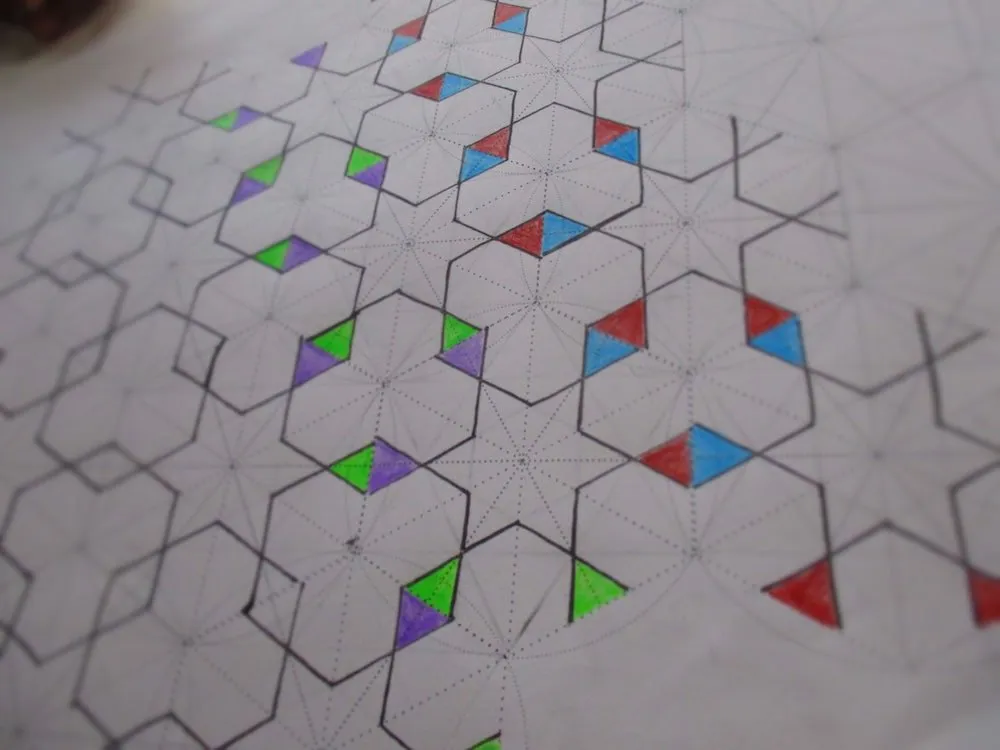
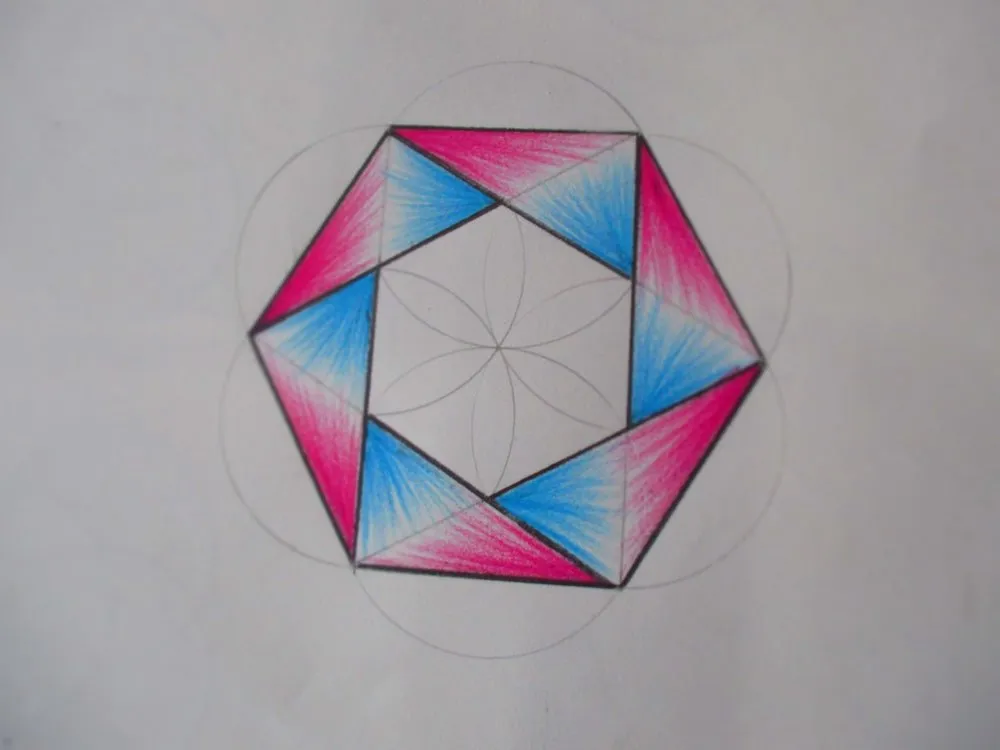
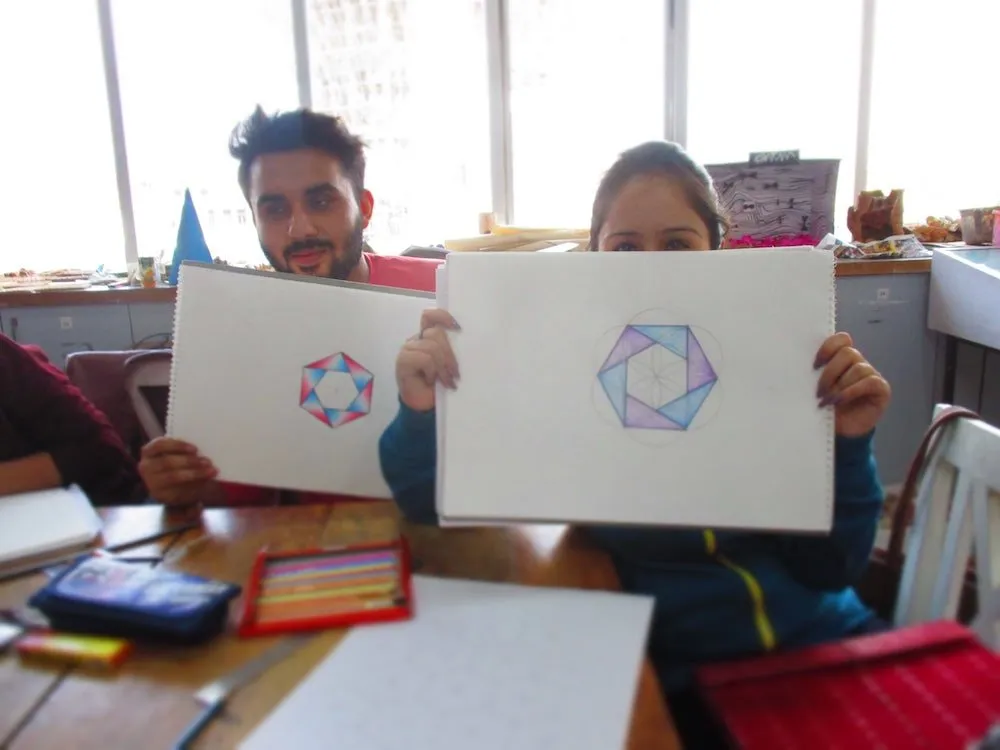
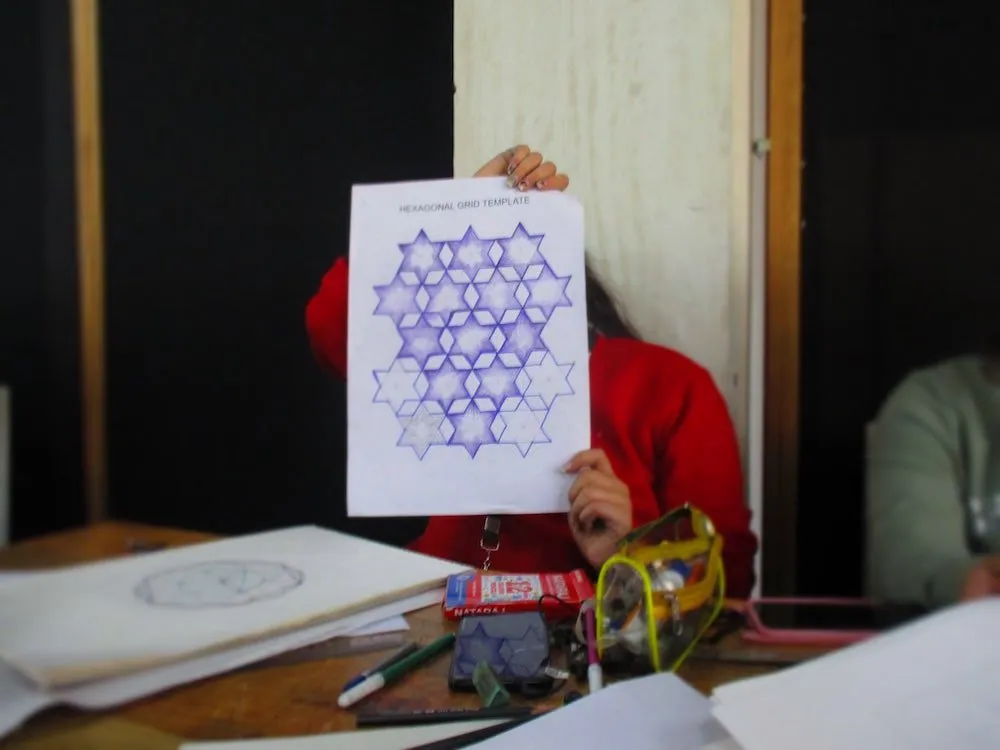
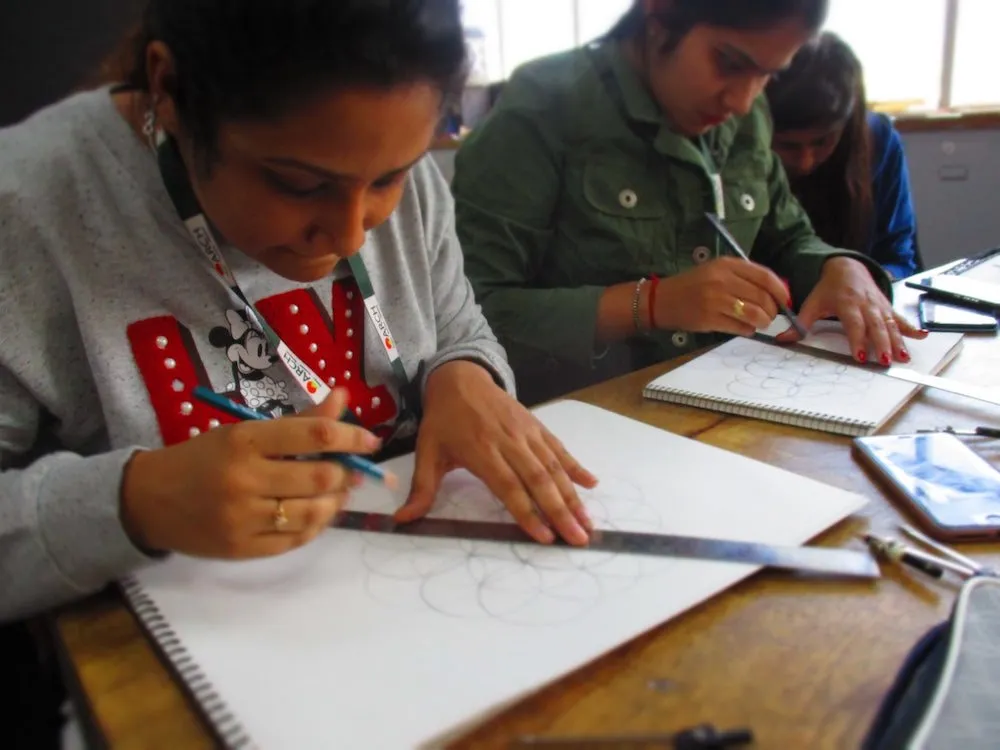
Our course began with Islamic design, and with one question: how do you construct the two-dimensional tessellations that cover the walls of so many mosques? A tessellation is a covering of a surface with shapes that leave no gaps and never overlap. Only three regular polygons can do this on their own: the equilateral triangle, the square and the hexagon. The students' patterns, too, started from a simple grid of circles and hexagons.
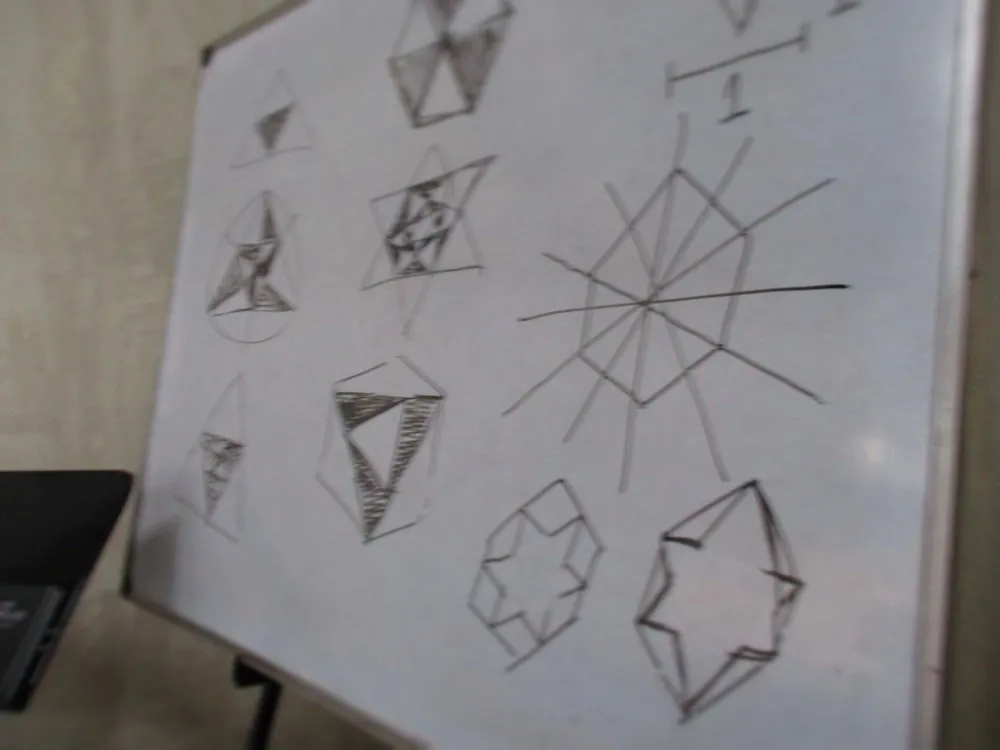
In the mosque, God is not shown in figurative images. Islamic sacred spaces avoid pictures of living beings, a tradition known as aniconism, so their ornament speaks through calligraphy, flowing arabesques and geometry. Stars, hexagons and endlessly repeating patterns carry the sacred instead. The interlaced lines of these designs are called girih, Persian for “knot”, and they can be drawn with nothing more than a compass and a straightedge. That is exactly how the students built them: step by step, with compass and ruler.
The same shapes, other meanings
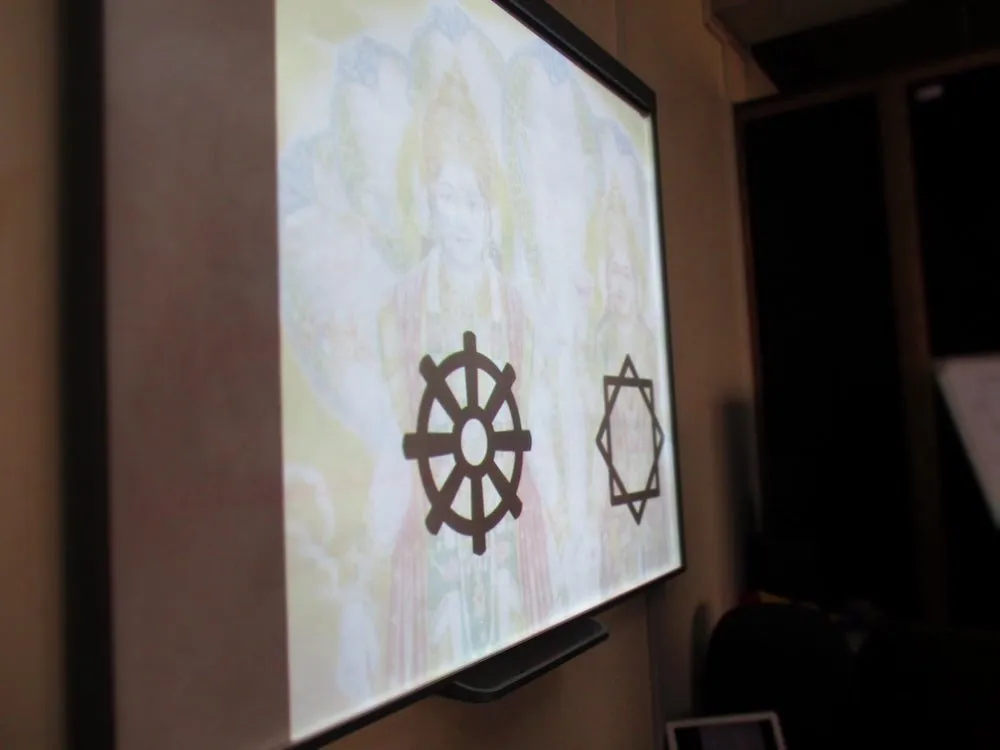
Then we turned to the symbols that are everywhere in India: the Hindu Trinity (the Trimurti), the Star of Lakshmi and Vishnu. The same stars and polygons that fill the mosques carry these meanings too, and one line drawing can speak in more than one tradition.
We brought light and sound into the room as well, to show that these patterns are not only something we draw. They also appear in nature and in vibration.
Knowing what you design
Design students know how to make things. What many of them had never been shown is the science and philosophy behind the symbols they use every day. Giving them that bigger picture, so that they understand what they are actually designing, was the heart of the course. And it was a joy to watch the patterns come alive on their pages.
With thanks to Sunil
It was a truly great experience, and we owe it to our Indian partner and fellow teacher Sunil Jakhar, who later also joined our Teacher Training.
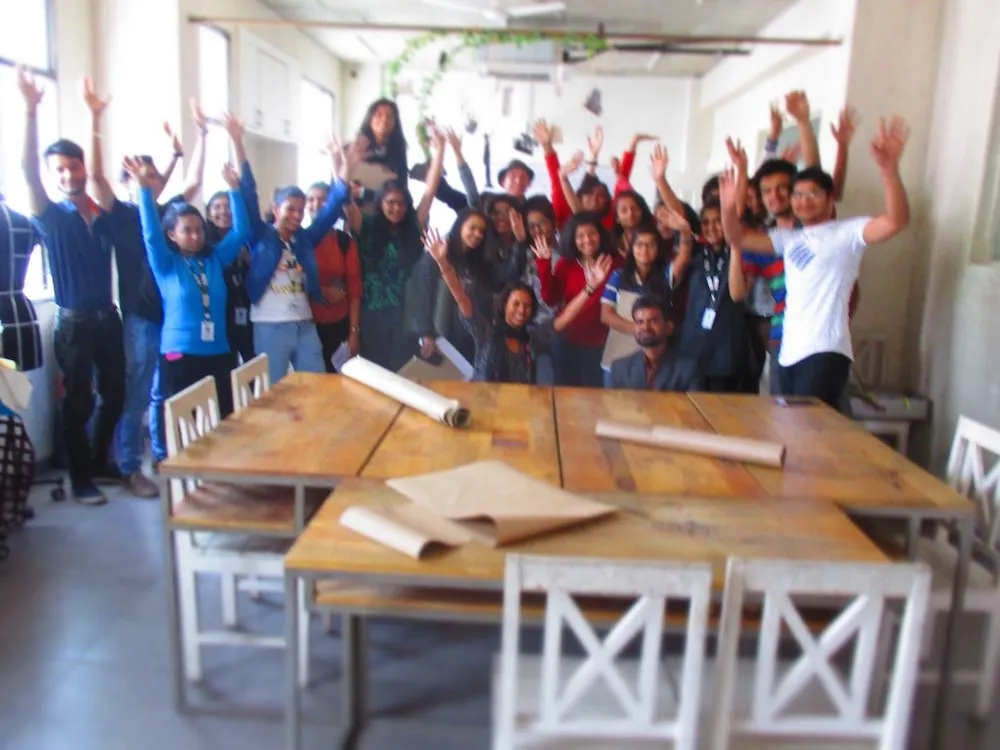
ARCH also wrote about the workshop on their own blog: Sacred Geometry at ARCH →
Would you like a course like this at your school or college? Write to us →
Come curious. Come as you are. All perspectives welcome.